
If you own a website, run a business, or create content online, you’ve probably asked yourself one important question: how to improve SEO?
Search Engine Optimization (SEO) remains one of the most effective ways to generate consistent website traffic, build brand authority, and attract potential customers without relying entirely on paid advertising.
However, SEO in 2026 is very different from what it was a few years ago. Simply adding keywords to a page is no longer enough. Search engines now evaluate content quality, user experience, expertise, trustworthiness, website performance, and overall usefulness.
Many businesses invest in digital marketing and SEO services to improve their online visibility, but understanding the fundamentals yourself can help you make smarter decisions and achieve better long-term results.
In this guide, you’ll learn proven SEO strategies that can help improve rankings, increase organic traffic, and build sustainable online growth.
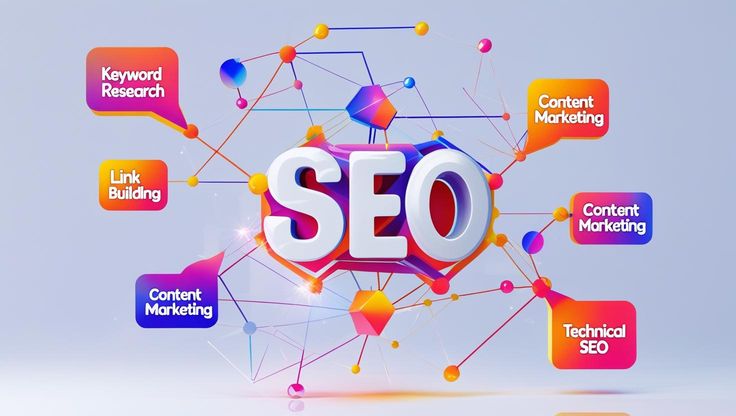
Why SEO Is More Important Than Ever
Every day, billions of searches are performed on Google. People search for products, services, information, solutions, and recommendations.
When your website appears near the top of search results, you gain:
- More organic traffic
- Better brand visibility
- Higher trust and credibility
- Increased leads and conversions
- Long-term marketing ROI
Unlike paid ads, SEO continues working long after content is published. A well-optimized page can generate traffic for months or even years.
The challenge is that competition continues to grow. Businesses in nearly every industry are investing heavily in SEO, making it essential to follow modern best practices rather than outdated tactics.
Understanding How Modern SEO Works
Before improving SEO, it’s important to understand how search engines evaluate websites.
Google’s algorithms analyze hundreds of factors when determining rankings, including:
- Content quality
- Search intent relevance
- Website speed
- Mobile usability
- Backlink quality
- Internal linking structure
- User engagement signals
- Technical SEO health
- Expertise and trust signals
The goal is simple: provide users with the most useful and reliable result for their search query.
Websites that consistently deliver value tend to earn higher rankings over time.
Step 1: Start With Keyword Research
Keyword research remains the foundation of every successful SEO campaign.
Without understanding what people are searching for, it’s difficult to create content that matches user intent.
How to Find the Right Keywords
Start by identifying topics related to your business.
Then use tools such as:
- Google Keyword Planner
- Ahrefs
- SEMrush
- Ubersuggest
- Google Search Console
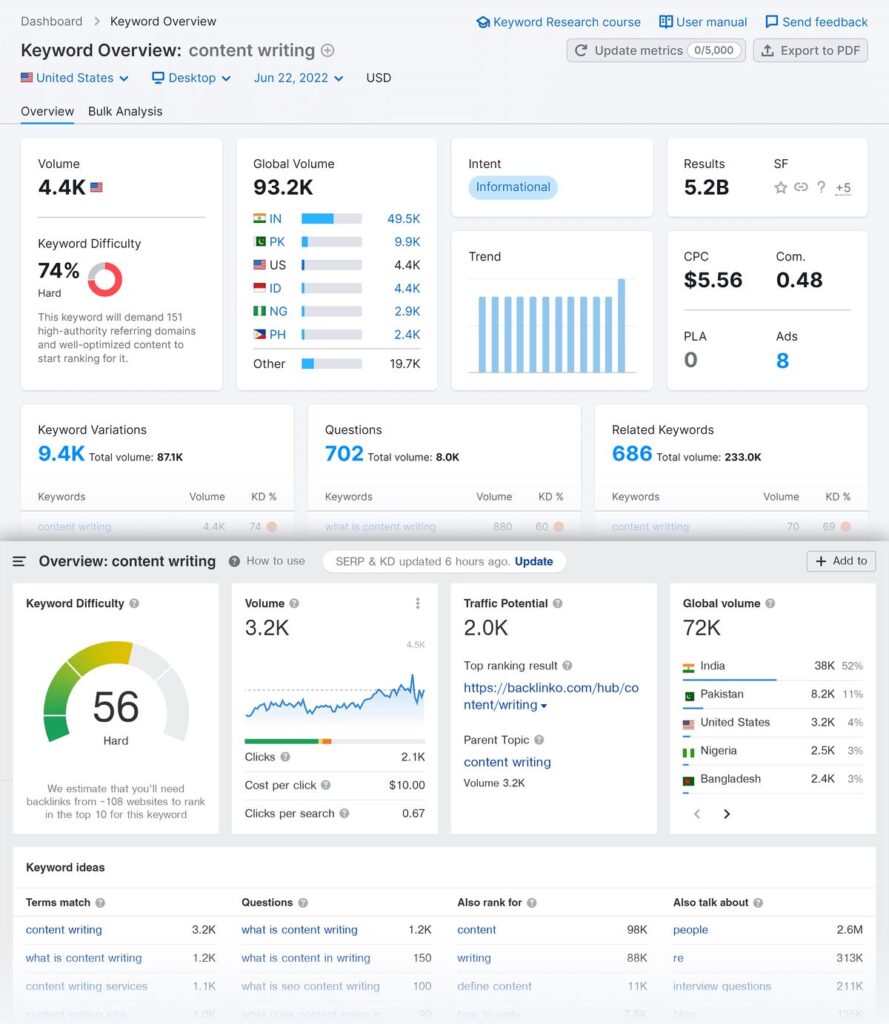
If you’re looking for the best SEO tools for keyword research, choose platforms that provide search volume, keyword difficulty, competitor analysis, and search intent data.
Focus on Search Intent
Modern SEO is not just about keywords.
You must understand why someone is searching.
For example:
Informational Intent
- How to improve SEO
- What is technical SEO
- SEO tips for beginners
Commercial Intent
- Best SEO agency
- SEO tools comparison
- Local SEO services
Creating content that matches intent significantly improves ranking potential.
Step 2: Create High-Quality Content That Solves Problems
Google rewards content that helps users.
This means your content should:
- Answer questions clearly
- Provide practical advice
- Include examples
- Cover topics thoroughly
- Be easy to read
Instead of publishing multiple thin articles, focus on creating comprehensive resources.
What Makes Content Valuable?
Strong SEO content typically includes:
- Original insights
- Real examples
- Data and statistics
- Step-by-step guidance
- FAQs
- Visual elements
For example, rather than simply explaining SEO theory, showing real SEO implementation often provides greater value.
This is one reason why case studies perform so well.
Step 3: Optimize On-Page SEO
On-page SEO refers to all optimization efforts made directly on your website pages.
Important On-Page SEO Elements
Title Tags
Your title should include the primary keyword naturally.
Example:
How to Improve SEO: Proven Strategies for Better Rankings
Meta Descriptions
Write compelling descriptions that encourage clicks.
Header Tags
Use H1, H2, and H3 tags to organize content logically.
Internal Linking
Internal links help search engines understand relationships between pages and improve website navigation.
Image Optimization
Use descriptive filenames and alt text for all important images.
Step 4: Improve Technical SEO
Technical SEO ensures search engines can crawl, understand, and index your website effectively.
Even great content can struggle if technical issues exist.
Key Technical SEO Factors
Website Speed
Slow-loading websites create poor user experiences.
Compress images, reduce unnecessary scripts, and use reliable hosting.
Mobile Optimization
Most searches now happen on mobile devices.
Your website should be fully responsive across all screen sizes.
Crawlability
Ensure important pages can be crawled and indexed properly.
Core Web Vitals
Google uses performance metrics related to loading speed, responsiveness, and visual stability.
In our experience working with business websites, improving page load times often leads to noticeable improvements in engagement and search visibility.
Real SEO Example: MedWasteX Case Study
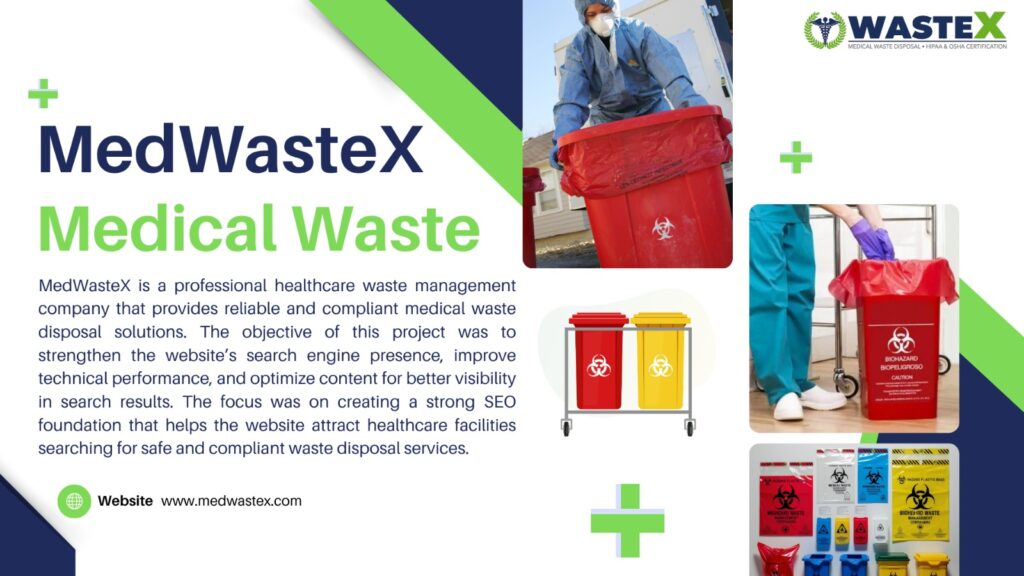
SEO is easier to understand when you see it working in a real-world project.
One project we worked on involved MedWasteX, a healthcare waste management company looking to improve its online visibility and search performance.
Challenges
The website faced several issues:
- Technical SEO problems
- Limited keyword visibility
- Weak backlink profile
- Optimization gaps across important pages
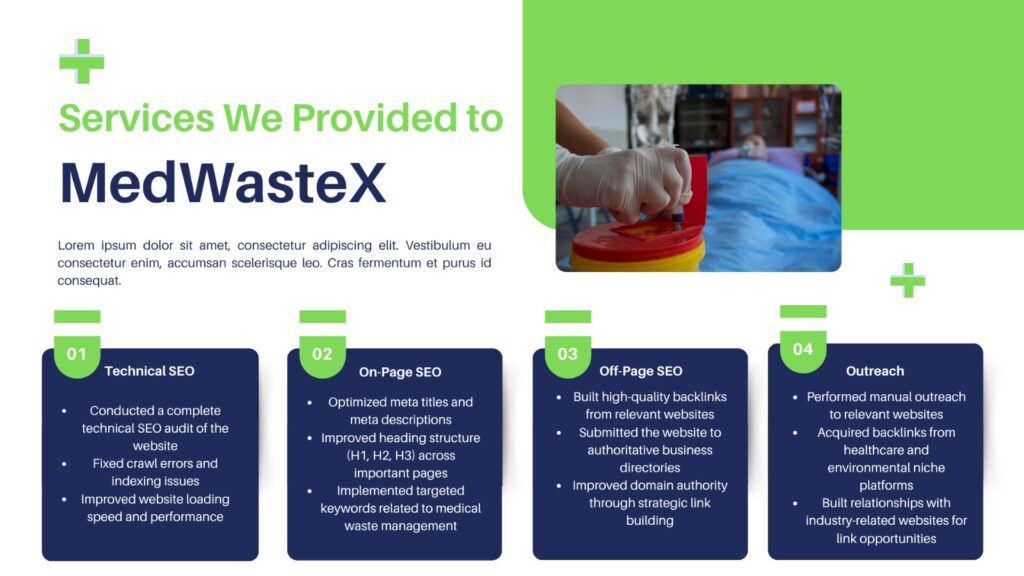
Strategy Implemented
Our SEO campaign focused on three core areas:
Technical SEO
- Site audit
- Crawl issue fixes
- Performance optimization
On-Page SEO
- Title tag optimization
- Meta description improvements
- Content enhancements
- Keyword targeting improvements
Off-Page SEO
- Authority backlink acquisition
- Outreach campaigns
- Industry-relevant link building
Results
Following implementation, the website experienced improvements in visibility, keyword rankings, and overall SEO health.
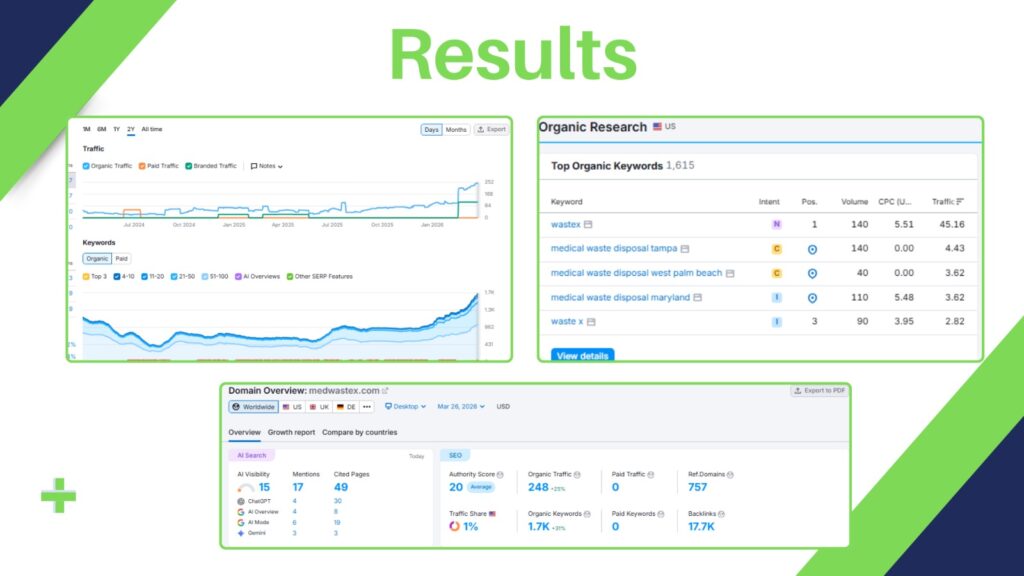
If you’d like to explore the full SEO case study for MedWasteX, you can review the complete strategy and results in greater detail.
This project reinforced an important lesson:
Successful SEO is rarely about one tactic. Sustainable growth usually comes from combining technical optimization, quality content, and strategic link building.
Step 5: Build High-Quality Backlinks
Backlinks remain one of the strongest ranking signals in modern SEO.
When authoritative websites link to your content, search engines view those links as trust signals. However, not all backlinks are equal. A few high-quality links from relevant websites are often more valuable than hundreds of low-quality links.
Effective Link Building Strategies
Create Link-Worthy Content
Publishing original research, industry insights, and detailed guides naturally attracts backlinks.
Guest Posting
Contributing valuable content to reputable websites can help build authority and referral traffic.
Digital PR
Sharing unique data, case studies, or expert insights can earn mentions from industry publications.
Resource Pages
Many websites maintain resource pages that link to useful industry content.
Avoid Black-Hat SEO
Avoid:
- Buying backlinks
- Private Blog Networks (PBNs)
- Spam comments
- Automated link schemes
While these tactics may provide short-term gains, they can create long-term ranking problems.
The safest approach is always earning links through valuable content and genuine outreach.
Step 6: Optimize for Local SEO
If your business serves customers in a specific city or region, local SEO becomes extremely important.
Local SEO helps businesses appear in:
- Google Maps
- Local Pack Results
- Location-based searches
Local SEO Best Practices
Optimize Your Google Business Profile
Complete every section accurately.
Include:
- Business name
- Address
- Phone number
- Website
- Services
- Business hours
Collect Customer Reviews
Positive reviews improve trust and local visibility.
Use Local Keywords
Examples:
- SEO agency in Delhi
- Digital marketing company in Gurgaon
- Local SEO services near me
Create Location-Specific Content
Dedicated pages for service areas often perform better than generic content.
Step 7: Improve User Experience (UX)
Google increasingly evaluates how users interact with websites.
A positive user experience often leads to:
- Lower bounce rates
- Longer session durations
- Better engagement
- Higher conversion rates
UX Improvements That Help SEO
Improve Readability
Use:
- Short paragraphs
- Bullet points
- Clear headings
- Simple language
Improve Navigation
Visitors should find information quickly without confusion.
Reduce Clutter
Too many popups, ads, and distractions create a poor experience.
Use Clear Calls-to-Action
Guide users toward the next step.
Good UX not only improves SEO but also helps convert traffic into leads and customers.
Step 8: Track SEO Performance Regularly
SEO is not a one-time task.
The most successful websites continuously monitor and improve performance.
Important SEO Metrics to Track
Organic Traffic
Monitor how many visitors arrive through search engines.
Keyword Rankings
Track ranking improvements for target keywords.
Learning how to check website ranking in Google Search helps identify opportunities and measure SEO progress effectively.
Click-Through Rate (CTR)
Higher rankings don’t always guarantee clicks.
Improving titles and meta descriptions can increase CTR significantly.
Conversions
Traffic alone doesn’t matter.
Track:
- Leads
- Sales
- Form submissions
- Calls
- Revenue
The ultimate goal of SEO is business growth, not just rankings.
Recommended SEO Tools
- Google Analytics
- Google Search Console
- Ahrefs
- SEMrush
- Screaming Frog
- PageSpeed Insights
Regular monitoring helps identify issues before they become major problems.
Step 9: Prepare for AI Search and Future SEO Trends
Search is changing rapidly.
Google’s AI Overviews, conversational search, and AI-powered search engines are transforming how people find information online.
Businesses that adapt early will have a competitive advantage.
SEO Trends Shaping the Future
AI-Assisted Search
Search engines increasingly generate answers directly within results.
Entity-Based SEO
Google understands topics, entities, and relationships better than ever.
E-E-A-T Signals
Experience, Expertise, Authoritativeness, and Trustworthiness continue to grow in importance.
Topical Authority
Websites that cover topics comprehensively often outperform websites with scattered content.
AI-Powered Workflows
Many businesses now use AI-powered SEO platforms to streamline content planning, keyword research, SEO analysis, and workflow automation.
However, AI should support expertise—not replace it.
The most successful content combines human experience with modern tools.
Common SEO Mistakes to Avoid
Many websites struggle because they focus on outdated tactics.
Mistake #1: Keyword Stuffing
Adding keywords excessively makes content harder to read and can hurt rankings.
Mistake #2: Ignoring Search Intent
Even perfectly optimized pages fail when they don’t match user intent.
Mistake #3: Publishing Thin Content
Short, low-value content rarely performs well in competitive niches.
Mistake #4: Ignoring Technical SEO
Technical issues can limit rankings regardless of content quality.
Mistake #5: Weak Internal Linking
Strategic internal links help search engines understand content relationships and improve crawlability.
Frequently Asked Questions
What is the fastest way to improve SEO?
Improving page speed, fixing technical issues, targeting the right keywords, and publishing high-quality content are often the fastest ways to see SEO improvements.
How long does SEO take to work?
Most websites begin seeing measurable improvements within 3 to 6 months, although highly competitive industries may require additional time.
Is SEO better than paid advertising?
SEO and paid advertising serve different purposes. SEO provides long-term organic traffic, while paid advertising offers immediate visibility. Many successful businesses use both strategies together.
What is the most important SEO ranking factor?
There is no single ranking factor. Content quality, search intent, backlinks, technical SEO, and user experience all play important roles.
Do backlinks still matter in 2026?
Yes. Backlinks remain one of the strongest signals of trust and authority when earned naturally from relevant websites.
Can I do SEO without expensive tools?
Yes. Google Search Console, Google Analytics, and other free resources can provide valuable SEO insights, especially for beginners.
Final Thoughts
Learning how to improve SEO is not about finding shortcuts or quick wins. Sustainable SEO success comes from consistently creating valuable content, optimizing technical performance, improving user experience, and building authority over time.
The websites that perform best in search results usually focus on helping users first and search engines second.
By implementing the strategies covered in this guide, you can:
- Increase organic traffic
- Improve keyword rankings
- Build topical authority
- Strengthen brand credibility
- Generate more qualified leads
- Achieve long-term business growth
SEO continues to evolve, but one principle remains unchanged: websites that provide genuine value to users are the most likely to succeed.
Focus on creating helpful content, improving your website experience, and continuously refining your strategy. Over time, those efforts can translate into stronger rankings, better visibility, and sustainable online growth.
About the Author

- Experience: 9+ Years
- Specialization: SEO & Digital
- Marketing Website: NS Digi
- Sumit Rana is a digital marketing strategist and SEO professional with more than 9 years of experience helping businesses improve their online visibility through search engine optimization, content marketing, and performance-driven digital strategies.
- Over the years, he has worked with businesses across multiple industries, assisting them in improving Google rankings, increasing organic traffic, and generating qualified leads through sustainable SEO practices.
- His areas of expertise include keyword research, technical SEO, on-page optimization, content strategy, link building, local SEO, and website performance analysis. He believes in a data-driven approach and focuses on creating long-term growth rather than short-term ranking gains.
- Through NS Digi, he helps businesses build a stronger online presence using practical SEO strategies, continuous optimization, and measurable marketing solutions.