
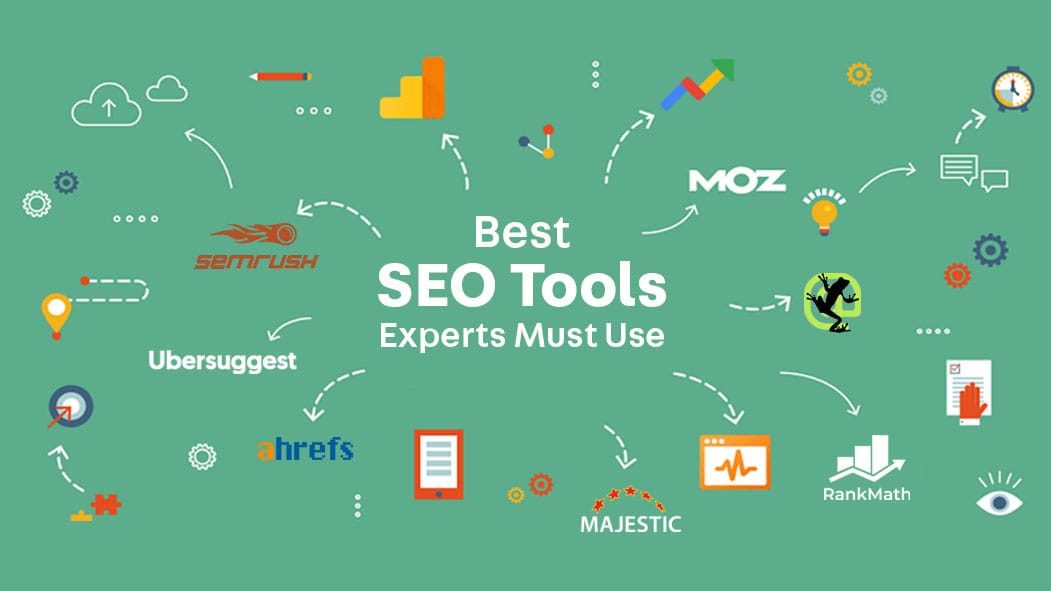
SEO is constantly evolving, and businesses that want to stay visible in Google search results need more than just good content. They need the best SEO tools to identify opportunities, fix technical issues, analyze competitors, track rankings, and improve overall website performance.
Whether you are a business owner, blogger, digital marketer, or SEO agency, using the right tools can save countless hours while helping you make data-driven decisions.
The best SEO tools provide insights into keyword opportunities, backlink profiles, technical website health, content optimization, and user behavior. Instead of relying on guesswork, these platforms allow marketers to build strategies based on real data.
In this comprehensive guide, we’ll explore the best SEO tools available today, how they work, and which tools are worth investing in for long-term SEO success.
Why the Best SEO Tools Matter
Search engine optimization involves many moving parts.
A successful SEO campaign typically requires:
- Keyword research
- Competitor analysis
- Content optimization
- Technical SEO audits
- Rank tracking
- Backlink analysis
- User experience improvements
Trying to manage all these areas manually is nearly impossible.
The best SEO tools help automate repetitive tasks, identify opportunities faster, and provide actionable insights that improve rankings and organic traffic.
Businesses that invest in quality SEO software often gain a significant advantage over competitors that rely on outdated methods.
Best SEO Tools for Keyword Research
Keyword research is the foundation of every successful SEO campaign.
Without understanding what your audience is searching for, it’s difficult to create content that ranks.

Google Keyword Planner
Google Keyword Planner remains one of the most trusted keyword research tools available.
Key benefits include:
- Search volume estimates
- Keyword suggestions
- Competition analysis
- PPC insights
Although designed for advertisers, it remains useful for SEO planning.
SEMrush Keyword Magic Tool
SEMrush offers one of the largest keyword databases available.
Features include:
- Long-tail keyword discovery
- Keyword difficulty analysis
- Search intent insights
- Competitor keyword research
Many SEO professionals consider SEMrush one of the most complete SEO platforms available today.
Ahrefs Keywords Explorer
Ahrefs provides highly accurate keyword data and traffic estimates.
Advantages include:
- Parent topic analysis
- Keyword difficulty metrics
- Click data
- Traffic potential estimates
For content marketers, Ahrefs remains one of the strongest keyword research solutions.
Ubersuggest
Ubersuggest provides keyword suggestions, competitor insights, and SEO opportunities at a lower cost than many enterprise platforms.
It is often recommended for beginners and small businesses.
On-page SEO helps search engines understand your content while improving user experience.
Best SEO Tools for On-Page Optimization
Yoast SEO
One of the most popular WordPress SEO plugins.
Features include:
- Title optimization
- Meta description analysis
- Readability scoring
- Internal linking suggestions
Rank Math
Rank Math has become a strong alternative to Yoast.
Benefits include:
- Schema markup support
- Multiple keyword optimization
- Advanced SEO settings
- AI-powered recommendations
Surfer SEO
Surfer SEO analyzes top-ranking pages and recommends content improvements.
Key features:
- NLP keyword suggestions
- Content scoring
- Competitor content analysis
- Optimization recommendations
Many businesses now combine traditional SEO methods with AI tools for SEO to improve content creation and optimization workflows.
Best Technical SEO Tools

Technical SEO is critical for search visibility.
Even excellent content can struggle if search engines cannot properly crawl or index a website.
Google Search Console
Google Search Console should be installed on every website.
It helps monitor:
- Indexing issues
- Search performance
- Core Web Vitals
- Click-through rates
- Mobile usability
Best of all, it is completely free.
Screaming Frog SEO Spider
Screaming Frog is one of the most respected technical SEO tools available.
It helps identify:
- Broken links
- Redirect issues
- Duplicate content
- Missing metadata
- Crawl errors
For technical SEO audits, it remains an industry standard.
GTmetrix
Website speed directly affects user experience and rankings.
GTmetrix provides:
- Speed analysis
- Performance scores
- Optimization recommendations
- Core Web Vitals insights
Fast-loading websites typically perform better in search results and deliver a better user experience.
Best Backlink Analysis and Link Building Tools
Backlinks continue to play an important role in Google’s ranking algorithm. While quality content is essential, authoritative backlinks often help websites achieve stronger rankings and greater trust.
Ahrefs Backlink Checker
Ahrefs is widely recognized for its backlink database.
Key features include:
- Referring domain analysis
- Lost backlink monitoring
- Anchor text reports
- Competitor backlink research
SEO professionals frequently use Ahrefs to discover link-building opportunities and identify backlink gaps.
SEMrush Backlink Analytics
SEMrush offers detailed backlink reports including:
- Toxic backlink detection
- Referring domain analysis
- Competitor backlink comparison
- Authority score evaluation
Businesses can use this information to strengthen their backlink profiles and improve domain authority.
Moz Link Explorer
Moz provides useful backlink metrics such as:
- Domain Authority (DA)
- Page Authority (PA)
- Linking domains
- Spam score analysis
For many marketers, Moz remains a reliable SEO toolkit.
Best Local SEO Tools
Businesses targeting local customers need specialized tools.
BrightLocal
BrightLocal helps businesses manage:
- Local rankings
- Citation monitoring
- Google Business Profile performance
- Review tracking
Whitespark
Whitespark specializes in local citation building and local SEO optimization.
Key benefits include:
- Citation discovery
- Local rank tracking
- Reputation management
- Competitor analysis
Local businesses often combine these tools with strong content marketing and SEO strategies to improve visibility.
Best All-in-One SEO Platforms
Many businesses prefer platforms that combine multiple SEO functions.
SEMrush
SEMrush offers:
- Keyword research
- Site audits
- Backlink analysis
- Rank tracking
- Competitor research
- Content marketing tools
It is often considered one of the most complete SEO platforms available.
Ahrefs
Ahrefs excels in:
- Backlink analysis
- Keyword research
- Content gap analysis
- Competitor monitoring
Many agencies use Ahrefs as their primary SEO software.
Serpstat
Serpstat provides:
- Keyword tracking
- Competitor analysis
- Site audits
- PPC research
It offers strong value for businesses operating on smaller budgets.
How SEO Tools Helped Improve Real SEO Results
SEO tools are only valuable when combined with strategy and execution.
One example comes from a real SEO campaign completed for BHW Law Firm, a legal services website operating in a highly competitive industry.
The objective was to improve search visibility, increase ranking keywords, and generate sustainable organic traffic growth.
SEO Strategy Implemented
The campaign included:
- Technical SEO optimization
- Content improvements
- Internal linking enhancements
- Authority building
- Outreach campaigns
- Local SEO improvements
Using tools such as Google Search Console, SEMrush, Ahrefs, and Screaming Frog helped identify technical issues, keyword opportunities, and content gaps.
Results Achieved
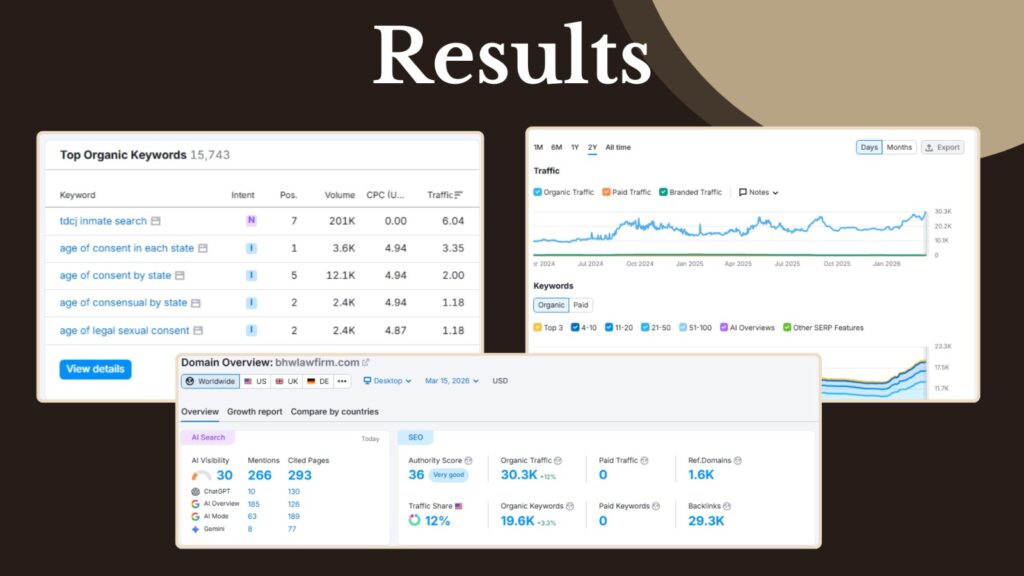
The campaign generated significant growth including:
- 30.3K+ organic traffic
- 19.6K+ ranking keywords
- 1.6K+ referring domains
- 29.3K+ backlinks
- Authority Score 36
The results demonstrated that combining the best SEO tools with a well-executed strategy can produce substantial long-term growth.
This real-world example reinforces many of the lessons discussed throughout this guide.
For additional examples and campaign breakdowns, explore our collection of SEO case studies.
Features to Look for When Choosing the Best SEO Tools
Not every SEO platform is suitable for every business.
When evaluating SEO software, consider:
Accuracy
Reliable keyword data and ranking information are essential.
Ease of Use
The platform should provide actionable insights without overwhelming users.
Scalability
Choose tools that can support future growth.
Reporting
Strong reporting features help track progress and communicate results.
Integrations
Look for integrations with:
- Google Analytics
- Google Search Console
- WordPress
- CRM systems
These integrations improve efficiency and streamline workflows.
The Future of SEO Tools
SEO software continues evolving rapidly.
Several trends are shaping the future:
Artificial Intelligence
AI is helping automate:
- Keyword research
- Content optimization
- Topic clustering
- SERP analysis
Businesses increasingly rely on AI-powered marketing workflows to improve efficiency and content planning.
Search Intent Analysis
Modern SEO tools now focus heavily on understanding user intent rather than simply matching keywords.
Entity-Based SEO
Search engines continue moving toward entity recognition and semantic understanding.
SEO tools are adapting by helping marketers optimize content around topics, entities, and user needs rather than individual keywords.
Automation
Automation continues reducing the manual workload associated with:
- Site audits
- Reporting
- Rank tracking
- Content recommendations
Businesses that embrace these technologies will likely gain a competitive advantage.
Frequently Asked Questions
What are the best SEO tools for beginners?
Google Search Console, Google Keyword Planner, Ubersuggest, and Rank Math are excellent starting points.
Which SEO tool is best overall?
SEMrush and Ahrefs are generally considered two of the most comprehensive SEO platforms available.
Are free SEO tools enough?
Free tools can provide valuable insights, but businesses seeking aggressive growth often benefit from premium platforms.
How often should SEO tools be used?
Most businesses should monitor rankings, traffic, and technical performance weekly while conducting deeper audits monthly.
Do SEO tools guarantee rankings?
No.
SEO tools provide data and recommendations, but rankings depend on execution, competition, content quality, technical performance, and authority.
Conclusion
Using the best SEO tools can dramatically improve your ability to plan, execute, and measure successful SEO campaigns.
Businesses should also compare different best SEO optimization tools before choosing a platform that aligns with their SEO goals, budget, and long-term growth strategy.
Whether your focus is keyword research, technical SEO, content optimization, backlink analysis, or local search visibility, the right tools provide the data necessary to make informed decisions.
Successful SEO is no longer based on guesswork. It requires accurate data, continuous optimization, and a deep understanding of search behavior.
When combined with strong strategy and consistent execution, SEO tools can help businesses increase organic traffic, improve rankings, strengthen authority, and achieve sustainable long-term growth.
At NS Digi, we regularly use industry-leading SEO tools and proven optimization strategies to help businesses improve online visibility and generate measurable results through search engine optimization.

About the Author
Sumit Rana is a digital marketing expert with over 9 years of experience in SEO, content marketing, and online business growth. He has helped businesses improve Google rankings, increase organic traffic, and generate qualified leads through data-driven digital marketing strategies.
His expertise includes keyword research, technical SEO, content strategy, local SEO, link building, and AI-powered marketing solutions. Through NS Digi, he shares practical insights, real-world case studies, and proven strategies to help businesses grow online.