
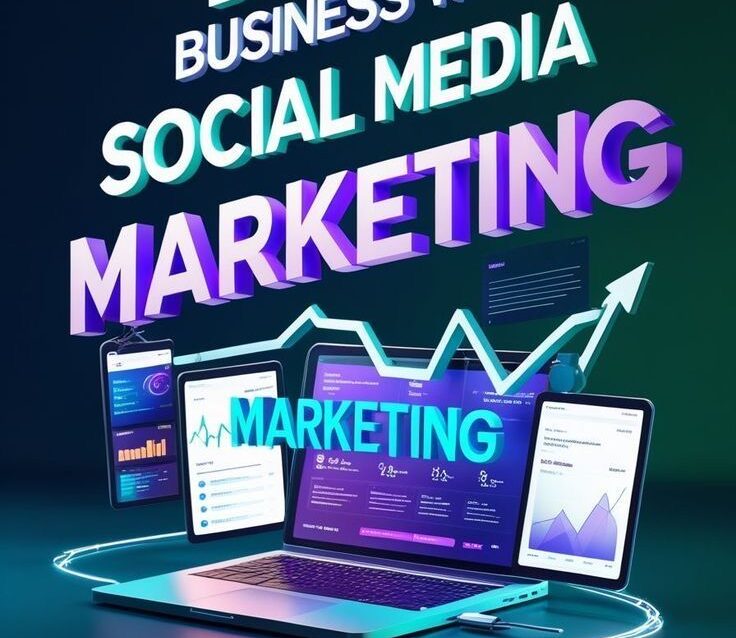
Social marketing and social media have become essential components of modern business growth. In today’s digital landscape, businesses use social marketing and social media strategies to increase brand awareness, engage customers, generate leads, and drive long-term growth.
Unlike traditional advertising methods, social media allows businesses to interact directly with their customers. Through engaging content, targeted campaigns, and meaningful conversations, brands can create stronger relationships while improving brand awareness. At the same time, social marketing focuses on influencing positive behaviors and creating value for communities, making it an important aspect of modern digital strategies.
Businesses that combine social marketing and social media effectively can drive website traffic, increase engagement, improve customer loyalty, and achieve sustainable growth. Many successful brands have already integrated these strategies into their marketing efforts, making social platforms an essential part of their overall digital presence.
What is Social Marketing and Social Media?
Social marketing refers to the use of marketing principles to encourage positive behavioral changes that benefit individuals and society. These campaigns often focus on areas such as public health, environmental awareness, education, and community development.
Social media marketing, on the other hand, involves promoting products, services, and brands through platforms such as Facebook, Instagram, LinkedIn, TikTok, Pinterest, and YouTube. It focuses on building relationships, increasing visibility, and generating business results through content and engagement.
When combined, social marketing and social media create a powerful strategy that allows organizations to influence audiences while also achieving business objectives.
Why Social Marketing and Social Media Matter for Businesses
The way consumers interact with brands has changed dramatically over the last decade. Customers no longer rely solely on advertisements. Instead, they seek authentic interactions, reviews, recommendations, and engaging content before making purchasing decisions.
Increased Brand Awareness
Social media platforms provide businesses with the opportunity to reach millions of users worldwide. A well-planned strategy helps brands stay visible and consistently appear in front of their target audience.
Whether through organic posts, reels, videos, or paid advertisements, businesses can significantly expand their reach using social media channels.
Better Customer Engagement
One of the biggest advantages of social media is direct communication with customers. Businesses can respond to comments, answer questions, and participate in conversations in real time.
Higher engagement often leads to stronger customer relationships and improved brand loyalty.
Higher Website Traffic
Social media platforms serve as powerful traffic sources. Sharing valuable content and blog articles encourages users to visit your website and learn more about your products or services.
Businesses implementing effective social marketing and social media strategies often experience stronger audience engagement and improved online visibility.
Improved Lead Generation
Many social platforms now offer advanced targeting options that help businesses reach highly specific audiences. This improves lead quality and increases conversion opportunities.
Stronger Customer Loyalty
Consistent communication helps brands remain top of mind. Customers are more likely to trust businesses that actively engage with their communities and provide valuable content.
Benefits of Social Marketing and Social Media
Cost-Effective Marketing
Compared to traditional advertising channels, social media marketing offers excellent return on investment. Businesses can start with a small budget and scale campaigns based on performance.
Real-Time Feedback
Social media provides immediate insights into customer opinions, preferences, and concerns. This allows businesses to adjust strategies quickly and improve customer experiences.
Better Audience Targeting
Platforms such as Facebook and Instagram provide detailed audience targeting capabilities based on demographics, interests, behaviors, and locations.
Increased Brand Authority
Sharing educational and informative content helps position businesses as industry experts. This builds credibility and encourages trust among potential customers.
Long-Term Growth Opportunities
Consistent social media activity can create sustainable growth by continuously attracting new audiences and strengthening existing customer relationships.
Best Platforms for Social Marketing and Social Media
Facebook Marketing
Facebook remains one of the largest social media platforms in the world. Businesses use Facebook Pages, Groups, and Ads to connect with potential customers and promote their products.
Benefits include:
- Detailed audience targeting
- Lead generation campaigns
- Community building
- Website traffic generation
Instagram Marketing
Instagram focuses on visual content, making it ideal for businesses that rely on strong branding and creativity.
Popular content formats include:
- Reels
- Stories
- Carousel posts
- Live videos
Instagram is particularly effective for fashion, fitness, beauty, travel, and lifestyle brands.
LinkedIn Marketing
LinkedIn is the leading platform for B2B marketing and professional networking.
Businesses use LinkedIn to:
- Generate business leads
- Share industry insights
- Build professional authority
- Recruit talent
TikTok Marketing
TikTok has transformed social media through short-form video content.
Its algorithm allows businesses and creators to reach large audiences even with smaller followings.
Popular content types include:
- Educational videos
- Product demonstrations
- Behind-the-scenes content
- Trending challenges
YouTube Marketing
YouTube remains one of the most powerful platforms for long-form content.
Businesses use YouTube to:
- Publish tutorials
- Share customer success stories
- Demonstrate products
- Build authority
Pinterest Marketing
Pinterest is highly effective for niches such as:
- Home decor
- Fashion
- Travel
- Food
- DIY projects
Pins often continue generating traffic long after publication.
How to Create a Successful Social Marketing and Social Media Strategy
Building a successful social marketing and social media strategy requires more than simply posting content regularly. Brands that achieve long-term success typically follow a structured process focused on audience needs, content quality, consistency, and performance analysis.
Define Clear Business Goals
Before launching any campaign, identify exactly what you want to achieve.
Common goals include:
- Increasing brand awareness
- Generating leads
- Driving website traffic
- Improving customer engagement
- Boosting sales
Every successful campaign should start with a well-structured digital marketing plan.
Understand Your Target Audience
Understanding your audience is one of the most important aspects of social media success.
Research:
- Age groups
- Interests
- Online behavior
- Preferred platforms
- Pain points
The more you understand your audience, the easier it becomes to create content that resonates with them.
Create Valuable Content
Successful brands focus on providing value rather than constantly selling products.
Effective content types include:
- Educational posts
- Industry insights
- How-to guides
- Case studies
- Customer testimonials
- Behind-the-scenes content
High-quality content helps businesses build trust and authority within their industry.
Build a Content Calendar
A content calendar helps maintain consistency and ensures that content aligns with business goals.
Benefits include:
- Better planning
- Improved consistency
- Reduced last-minute stress
- More strategic campaigns
Track Performance Metrics
Without analytics, it becomes difficult to understand what is working.
Monitor:
- Reach
- Engagement
- Click-through rate
- Website traffic
- Conversion rate
- Follower growth
Regular analysis allows businesses to optimize future campaigns and improve results.
Best Content Types for Social Marketing and Social Media
Different content formats perform differently across platforms.
Short-Form Videos
Short videos continue to dominate social platforms.
Examples:
- Instagram Reels
- TikTok Videos
- YouTube Shorts
- Facebook Reels
These formats often generate higher engagement and reach.
Educational Content
People actively engage with content that helps solve problems.
Examples include:
- Tutorials
- Guides
- Industry tips
- Expert advice
User-Generated Content (UGC)
Content created by customers builds trust because it feels authentic.
Examples:
- Reviews
- Testimonials
- Product photos
- Customer stories
Infographics
Infographics simplify complex information and often receive more shares than plain text posts.
Live Streaming
Live sessions create real-time interaction and strengthen audience relationships.
Popular platforms include:
- Facebook Live
- Instagram Live
- LinkedIn Live
- YouTube Live
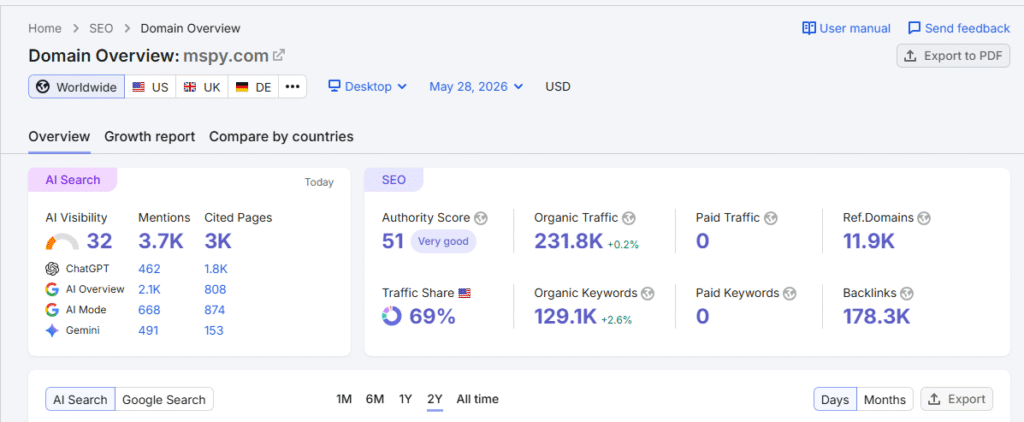
Real Social Marketing and Social Media Case Study
One of our recent digital marketing projects demonstrates how consistent optimization and audience-focused strategies can generate significant growth.
The project focused on increasing online visibility, strengthening authority, improving engagement, and growing organic traffic.
Strategies Implemented
The campaign included:
- Content optimization
- Audience engagement strategies
- Social media promotion
- SEO support
- Authority-building initiatives
- Consistent publishing schedules
Results Achieved
The campaign generated impressive growth:
- Authority Score: 51
- Organic Traffic: 231.8K
- Organic Keywords: 129.1K
- Referring Domains: 11.9K
- Backlinks: 178.3K
These results demonstrate how combining social marketing principles with consistent digital marketing efforts can produce sustainable long-term growth.
Common Social Media Marketing Mistakes to Avoid
Posting Without a Strategy
Random posting rarely delivers consistent results.
Always create content with a purpose.
Ignoring Analytics
Businesses that fail to measure performance often repeat ineffective strategies.
Over-Promoting Products
Constant promotional content can reduce engagement.
Focus on providing value first.
Not Engaging With Followers
Social media is designed for conversation.
Ignoring comments and messages can negatively impact audience relationships.
Future Trends in Social Marketing and Social Media
The future of digital marketing continues to evolve rapidly.
Artificial Intelligence in Social Marketing and Social Media
AI is transforming content creation, campaign management, and audience analysis. Businesses increasingly rely on AI tools for marketing to automate repetitive tasks, improve audience targeting, and optimize campaign performance.
Social Commerce
Consumers can now purchase products directly through social platforms without leaving the app.
Voice Search Optimization
As voice assistants become more popular, optimizing content for conversational search will become increasingly important.
Short-Form Video Growth
Short-form video content is expected to remain one of the strongest engagement drivers across all major platforms.
Along with short-form video growth, marketers are increasingly using AI-powered platforms to improve content creation and campaign management. Many professionals now use Make AI Now to streamline content planning, social media workflows, and marketing automation.
Community Building in Social Marketing and Social Media
Brands will focus more on creating communities rather than simply building audiences.
Frequently Asked Questions
What is social marketing and social media?
Social marketing focuses on influencing positive behavior, while social media marketing promotes brands, products, and services through social platforms.
Why is social media marketing important?
It helps businesses increase visibility, engage with customers, drive website traffic, generate leads, and build brand loyalty.
Which social media platform is best for businesses?
The best platform depends on your audience. LinkedIn is ideal for B2B marketing, while Instagram, Facebook, and TikTok often perform well for B2C businesses.
How does social media help SEO?
Social media increases content visibility, drives traffic, strengthens brand awareness, and supports broader digital marketing efforts.
How can small businesses benefit from social marketing and social media?
Small businesses can use social media platforms to build brand awareness, engage local audiences, generate leads, and compete with larger brands at a lower marketing cost.
Final Thoughts
Social marketing and social media have become essential components of modern business growth. Companies that invest in audience-focused content, consistent engagement, data-driven decision-making, and innovative technologies are more likely to achieve long-term success.
From increasing brand awareness and generating leads to building customer loyalty and improving visibility, the opportunities offered by social platforms continue to expand every year.
Businesses that embrace these strategies today will be better positioned to compete, grow, and thrive in the increasingly digital future. For more insights on SEO, digital marketing, content marketing, and business growth strategies, visit NS Digi.
About the Author

Sumit Rana is a digital marketing professional with over 9 years of experience in SEO, content marketing, social media marketing, and online business growth.
He has worked with businesses across multiple industries, helping them improve visibility, audience engagement, and long-term digital growth through data-driven marketing strategies.
His expertise includes SEO, content optimization, social media growth, local marketing, AI-assisted workflows, and performance-driven digital campaigns.