
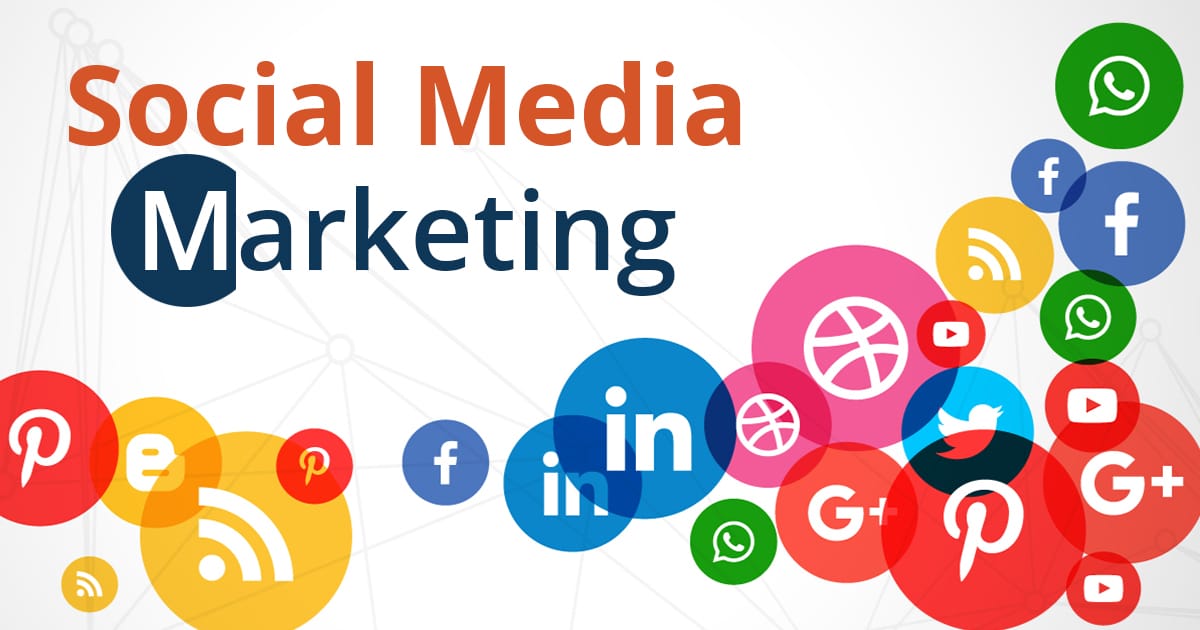
The digital world is constantly evolving, and businesses cannot afford to ignore the power of Online promotion and social media. Brands that once relied heavily on television, radio, and print now understand that real engagement happens online. With billions of people scrolling, liking, and sharing every single day, it has become essential for companies, entrepreneurs, and creators to integrate effective social media marketing strategies into their growth plans.
This guide explores everything you need to know about social marketing or social media, including benefits, tools, trends, and practical steps to boost visibility. Whether you’re building a personal brand, growing a startup, or managing a large enterprise, the right mix of digital marketing and social media strategy can take you to the next level.
What is Social Marketing and Social Media?
At its core, social marketing is the practice of using marketing strategies to influence people’s behavior in ways that benefit society as well as the brand. It often focuses on creating positive change—such as health awareness campaigns, environmental initiatives, or community-driven programs.
On the other hand, social media marketing is the process of promoting products, services, or messages using platforms like Facebook, Instagram, TikTok, LinkedIn, Twitter (X), and YouTube. Together social marketing and social media allow brands to connect with audiences authentically while also driving measurable results.
Why Social Marketing and Social Media Matter for Businesses
1. Reach Billions of Users
Over 4.9 billion active social media users globally make platforms the largest marketplace for attention. From Instagram marketing to Facebook advertising, brands can connect with audiences instantly.
2. Cost-Effective Advertising
Compared to traditional media, social media ads are highly affordable. With precise social media targeting, businesses can reach their ideal customers without wasting budget.
3. Build Trust and Brand Loyalty
Consumers today want more than just products; they want connections. Through social engagement, brands can develop stronger relationships with customers, increasing loyalty and repeat purchases.
4. Boost Website Traffic and SEO
Effective social media optimization (SMO) drives traffic to websites, improving search rankings and visibility. Pairing SEO and social media marketing ensures a strong digital footprint.
Popular Platforms for Online Marketing and Networking Sites
Facebook Marketing
Still the largest platform, Facebook ads allow precise targeting through demographics, interests, and behaviors. Businesses use Facebook business pages, groups, and marketplaces to engage customers.
Instagram Marketing
Visual storytelling thrives here. Instagram reels, stories, and influencer collaborations help brands showcase products creatively. Hashtags, aesthetic feeds, and Instagram ads drive both organic and paid growth.
TikTok Marketing
The fastest-growing platform, TikTok social media marketing leverages short-form video trends. Its algorithm ensures even small creators have viral potential, making it perfect for startups.
LinkedIn Marketing
For B2B brands, LinkedIn advertising and LinkedIn content marketing provide unmatched professional reach. It’s the go-to space for networking, recruitment, and thought leadership.
Twitter (X) Marketing
Known for real-time updates, Twitter marketing is great for trending topics, conversations, and quick engagement. Hashtags and viral tweets make it ideal for brand visibility.
YouTube Marketing
The second largest search engine, YouTube video marketing helps brands explain, educate, and entertain. Long-form tutorials, product reviews, and ads can reach massive audiences.
Pinterest Marketing
Popular in niches like fashion, travel, and lifestyle, Pinterest social media marketing drives referral traffic through visually appealing pins.
Key Elements of a Social Media Marketing Strategy
1. Audience Research
Knowing who your audience is forms the foundation. Tools like Facebook Audience Insights or Google Analytics help identify demographics, interests, and behaviors.
2. Content Creation
High-quality social media content is essential. Brands need a mix of videos, memes, blog links, infographics, and stories to keep users engaged.
3. Influencer Marketing
Partnering with influencers boosts credibility. From micro-influencers to celebrities, these collaborations can expand reach dramatically.
4. Paid Advertising
Running social media campaigns ensures visibility. Platforms offer pay-per-click (PPC), retargeting ads, and custom social media ad formats.
5. Analytics and Measurement
Tracking success is crucial. Use social media analytics tools like Hootsuite, Buffer, and Sprout Social to measure ROI, engagement rates, and follower growth.
The Role of SEO in Social Marketing and Social Media
Many brands mistakenly separate SEO from social media marketing The reality is that they work best together. Optimized social media profiles and keyword-driven content boost discoverability.
- SEO and content marketing attract users to websites.
- Social media posts increase visibility and drive traffic.
- Hashtag optimization ensures content reaches trending topics.
- Link building through social shares improves Google rankings.
By merging social media optimization with SEO best practices, brands achieve higher exposure both on search engines and social platforms.
High-Performing Content Types for Social Media
- Video Marketing – Short, engaging clips perform best on TikTok, Instagram, and YouTube.
- User-Generated Content (UGC) – Authentic reviews, testimonials, and community posts build trust.
- Live Streaming – Facebook Live, Instagram Live, and LinkedIn Live boost real-time interaction.
- Interactive Content – Polls, quizzes, and contests encourage participation.
- Storytelling Campaigns – Emotional, authentic stories drive deeper connections.
Benefits of Social Marketing for Society and Business
Unlike pure digital advertising, social marketing often focuses on positive impact. Examples include:
- Health campaigns encouraging vaccination or fitness.
- Environmental awareness campaigns promoting recycling and sustainability.
- Non-profit marketing for fundraising and donations.
- Community building initiatives that foster inclusivity and awareness.
When combined with social media promotion, these campaigns reach wider audiences and encourage real-world change.
Challenges in Social Marketing and Social Media
1. Content Saturation
Every second, thousands of posts flood social platforms, making it difficult to stand out.
2. Algorithm Changes
Frequent updates on Facebook, Instagram, and Google affect organic reach. Brands need to stay adaptable.
3. Negative Feedback
With open engagement comes the risk of criticism. Managing online reputation is essential.
4. Privacy Concerns
Data security and transparency are top priorities for maintaining consumer trust.
Future Trends in Social Marketing and Social Media
- AI Marketing Tools – From chatbots to content automation AI in social media is transforming strategies.
- Augmented Reality (AR) Filters – Virtual try-ons in beauty and fashion industries.
- Voice Search Optimization – As smart speakers rise, voice SEO becomes crucial.
- Short-Form Video Dominance – Platforms like TikTok and Instagram reels will continue to dominate.
- Sustainability Marketing – Audiences prefer brands that highlight eco-friendly practices.
Practical Tips to Succeed in Social Marketing and Media
- Define clear social media goals (brand awareness, leads, conversions).
- Maintain consistent posting with a social media content calendar.
- Leverage hashtag research tools to increase reach.
- Monitor competitors through social media listening tools.
- Blend organic reach with paid ads for maximum impact.
- Use cross-platform promotion to unify brand presence.
Final Thoughts on Digital Marketing and Social Platforms
The relationship between Digital Marketing and Social Platforms is inseparable in the digital age. Businesses that combine the societal benefits of social campaigns with the promotional power of social media platforms enjoy stronger visibility, credibility, and long-term growth. From Facebook ads to SEO-driven content, from influencer partnerships to community-driven initiatives, the opportunities are limitless.
By embracing both digital marketing strategies and social engagement practices, brands not only expand their audience reach but also create meaningful connections that last.