


A successful digital marketing plan is essential for businesses that want to build a strong online presence, attract the right audience, and achieve measurable growth. A well-structured digital marketing plan helps businesses organize SEO, content marketing, social media, paid advertising, and analytics strategies into one effective roadmap.
A well-structured digital marketing plan helps businesses understand where to invest their time, budget, and resources to achieve better online visibility, attract potential customers, and increase conversions.
Many businesses use different marketing channels such as SEO, social media, paid advertising, email marketing, and content marketing. However, without a proper strategy, these efforts often become inconsistent and difficult to measure.
A strong digital marketing plan brings all marketing activities together and creates a step-by-step approach to achieve business objectives.
At NS Digi, we help businesses create data-driven digital marketing strategies focused on SEO, content growth, online visibility, and sustainable results.
In this complete guide, we will explain how to create an effective digital marketing plan, important components, tools, common mistakes, and future trends that businesses should follow in 2026.
What Is a Digital Marketing Plan?
A digital marketing plan is a strategic document that outlines how a business will promote its products or services through online channels.
It defines:
- Business goals
- Target audience
- Marketing strategies
- Budget allocation
- Content approach
- Advertising channels
- Performance tracking methods
Unlike random marketing activities, a digital marketing plan provides clear direction and helps businesses make informed decisions based on data.
For example, a business aiming to increase online sales may use:
- SEO to attract organic visitors
- Content marketing to educate customers
- Social media to build brand awareness
- PPC advertising to generate quick leads
- Email marketing to retain customers
When all these channels work together, businesses can create a stronger online presence.
Why Every Business Needs a Digital Marketing Plan
The digital space has become highly competitive. Thousands of businesses are targeting the same customers online, making it difficult to stand out without a proper strategy.
A digital marketing plan helps businesses achieve the following benefits:
1. Clear Business Direction
Without a strategy, businesses often spend money on multiple marketing channels without knowing which activities are producing results.
A digital marketing plan provides:
- Clear objectives
- Defined marketing activities
- Expected outcomes
- Performance measurement methods
This ensures every marketing effort supports the overall business goal.
2. Better Understanding of Target Audience
Understanding your audience is one of the most important parts of digital marketing success.
A proper plan helps identify:
- Customer needs
- Buying behavior
- Online platforms they use
- Problems they want to solve
- Content they engage with
When businesses understand their audience, they can create more personalized campaigns and improve customer engagement.
3. Improved Brand Visibility
A strong digital marketing plan helps businesses appear in front of the right audience through multiple online channels.
It improves visibility through:
- Search engines
- Social media platforms
- Content platforms
- Email communication
- Online advertising
Consistent visibility helps build trust and brand recognition.
4. Better Budget Management
Marketing without planning can lead to unnecessary expenses.
A digital marketing plan helps businesses decide:
- Where to invest budget
- Which channels provide better ROI
- Which campaigns need improvement
- How resources should be allocated
This allows businesses to spend money more effectively.
Key Components of a Digital Marketing Plan
A successful digital marketing plan includes multiple elements that work together to achieve marketing goals.
1. Market Research and Competitor Analysis
Every successful marketing strategy starts with proper research.
Market research helps businesses understand:
- Industry trends
- Customer expectations
- Competitor strategies
- Market opportunities
Before creating campaigns, businesses should analyze:
Competitor Research
Study competitors to understand:
- Their ranking keywords
- Content strategy
- Social media presence
- Advertising approach
- Customer engagement methods
Competitor analysis helps identify gaps and opportunities where your business can perform better.
Keyword Research
Keyword research helps identify what potential customers search for online.
Important keyword research factors include:
- Search volume
- Keyword difficulty
- Search intent
- Competition level
Tools like:
- Google Keyword Planner
- SEMrush
- Ahrefs
Can help find valuable keyword opportunities.
2. Define Your Target Audience
A successful digital marketing plan focuses on reaching the right people.
Instead of targeting everyone, businesses should define their ideal customers.
Important audience factors include:
Demographics
- Age
- Gender
- Location
- Income level
- Profession
Psychographics
- Interests
- Lifestyle
- Preferences
- Buying motivation
Online Behavior
Understanding:
- Which platforms customers use
- What content they consume
- How they search for solutions
helps create more effective campaigns.
Creating buyer personas allows businesses to develop content and marketing messages that connect with their audience.
3. Set SMART Marketing Goals
Every digital marketing plan should have clear and measurable goals.
SMART goals mean:
- Specific
- Measurable
- Achievable
- Relevant
- Time-bound
Examples:
Increase Website Traffic
Increase organic website traffic by 40% within six months through SEO and content marketing.
Generate More Leads
Generate 500 qualified leads through landing pages and paid campaigns.
Improve Brand Awareness
Increase social media engagement through consistent content publishing.
Clear goals make it easier to track progress and measure success.
4. Search Engine Optimization (SEO) Strategy
SEO is one of the most important parts of a digital marketing plan because it helps businesses attract organic traffic from search engines.
A strong SEO strategy includes:
On-Page SEO
Optimizing website elements such as:
- Title tags
- Meta descriptions
- Headings
- Content structure
- Internal links
- Images
Technical SEO
Improving technical website performance:
- Website speed
- Mobile usability
- Crawlability
- XML sitemap
- Structured data
Off-Page SEO
Building website authority through:
- Quality backlinks
- Digital PR
- Brand mentions
- Partnerships
A consistent SEO approach helps websites improve rankings and attract qualified visitors.
For businesses looking to improve their search visibility, following a strong SEO strategy for long-term growth is essential.
5. Content Marketing Strategy
Content marketing is the foundation of a successful digital marketing plan because valuable content helps businesses educate, attract, and convert customers.
A good content strategy includes:
- Blog posts
- Videos
- Guides
- Case studies
- Infographics
- Social media content
- Email newsletters
High-quality content should:
- Answer customer questions
- Solve problems
- Match search intent
- Build trust
For better results, businesses should combine content creation with SEO optimization.
Important content practices include:
- Keyword research
- Regular updates
- Internal linking
- Clear content structure
- Expert insights
Content that provides genuine value has a better chance of ranking higher and attracting consistent traffic.
6. Social Media Marketing Strategy
Social media marketing helps businesses connect directly with their audience, increase brand awareness, and build relationships.
A digital marketing plan should define:
- Which platforms to use
- Content type
- Posting frequency
- Engagement strategy
- Performance tracking
Popular platforms include:
Useful for community building and targeted advertising.
Effective for visual content, branding, and engagement.
Important for B2B businesses and professional networking.
X (Twitter)
Useful for updates, discussions, and industry conversations.
Successful social media marketing requires consistency, creativity, and audience engagement.
Businesses should focus on creating valuable posts instead of only promotional content.
For more ideas and strategies, explore our guide on social media marketing strategies.
7. Email Marketing Strategy
Email marketing remains one of the most effective digital marketing channels for building relationships with customers and increasing conversions.
A successful digital marketing plan should include email marketing because it allows businesses to communicate directly with their audience.
Email marketing can be used for:
- Product updates
- Promotional offers
- Newsletters
- Customer education
- Lead nurturing
- Customer retention
Key Elements of Effective Email Marketing
Personalized Content
Personalized emails based on customer interests and behavior often achieve better engagement.
Examples:
- Product recommendations
- Personalized offers
- Customer follow-ups
Strong Subject Lines
The email subject line determines whether users open the email or ignore it.
Effective subject lines should be:
- Clear
- Relevant
- Value-focused
- Short and engaging
Clear Call-to-Action (CTA)
Every email should guide users toward a specific action, such as:
- Visiting a website
- Downloading a resource
- Booking a service
- Purchasing a product
Track Email Performance
Important email marketing metrics include:
- Open rate
- Click-through rate
- Conversion rate
- Unsubscribe rate
Analyzing these metrics helps businesses improve future campaigns.
8. Pay-Per-Click (PPC) Advertising Strategy
PPC advertising allows businesses to reach potential customers quickly by displaying ads on search engines and other platforms.
A digital marketing plan should include PPC when businesses want immediate visibility and targeted traffic.
Popular PPC platforms include:
- Google Ads
- Microsoft Ads
- Meta Ads
- LinkedIn Ads
Important Elements of PPC Campaigns
Keyword Research
Selecting the right keywords helps businesses target users who are actively searching for their products or services.
Ad Copy Optimization
Effective ads should include:
- Clear benefits
- Strong headlines
- Relevant keywords
- Compelling call-to-action
Landing Page Optimization
A successful PPC campaign depends on the landing page experience.
Landing pages should have:
- Fast loading speed
- Clear messaging
- Simple navigation
- Strong CTA
Performance Monitoring
Track important metrics:
- Cost per click (CPC)
- Conversion rate
- Return on ad spend (ROAS)
- Quality score
Combining PPC with SEO creates a balanced digital marketing approach where businesses can achieve both short-term and long-term growth.
9. Analytics and Performance Tracking
A digital marketing plan is incomplete without proper measurement and analysis.
Tracking performance helps businesses understand which strategies are working and where improvements are required.
Important analytics tools include:
- Google Analytics
- Google Search Console
- SEMrush
- Ahrefs
- HubSpot Analytics
Important Metrics to Monitor
Website Traffic
Measure:
- Total visitors
- Traffic sources
- Most visited pages
Conversion Rate
Conversion tracking helps identify how many visitors complete desired actions.
Examples:
- Form submissions
- Purchases
- Service inquiries
User Engagement
Monitor:
- Time spent on pages
- Bounce rate
- Pages per session
SEO Performance
Track:
- Keyword rankings
- Organic traffic
- Search impressions
- Click-through rate
Regular analysis allows businesses to improve their digital marketing plan based on real data instead of assumptions.
10. Influencer and Affiliate Marketing
Influencer and affiliate marketing can help businesses reach new audiences through trusted recommendations.
These strategies work especially well when businesses want to:
- Increase brand awareness
- Build credibility
- Reach niche audiences
- Generate additional sales
A successful strategy includes:
- Choosing relevant influencers
- Defining campaign goals
- Tracking performance
- Measuring conversions
The right partnerships can strengthen brand reputation and expand online reach.
Best Tools for Creating a Digital Marketing Plan
Using the right tools makes planning, execution, and tracking easier.
Google Analytics
Useful for:
- Website traffic analysis
- User behavior tracking
- Conversion measurement
Google Search Console
Useful for:
- SEO monitoring
- Keyword performance
- Search visibility analysis
SEMrush
Useful for:
- Keyword research
- Competitor analysis
- SEO reporting
Ahrefs
Useful for:
- Backlink analysis
- Competitor research
- Content opportunities
Canva
Useful for:
- Social media designs
- Marketing visuals
- Presentations
HubSpot
Useful for:
- CRM management
- Email automation
- Marketing workflows
AI-Powered Digital Marketing Plan in 2026
Artificial intelligence is transforming how businesses create and execute digital marketing strategies.
Modern digital marketing plans now include AI-powered solutions for:
- Content research
- Customer personalization
- Data analysis
- Marketing automation
- SEO optimization
AI helps marketers save time, analyze large amounts of data, and create more personalized experiences. Businesses can also use all-in-one AI platforms to streamline content creation, marketing workflows, and productivity tasks from a single place. Tools like Make AI Now help users explore different AI capabilities for modern business needs.
Some important AI trends in digital marketing include:
AI Content Optimization
AI tools can help identify:
- Content gaps
- Search intent
- Keyword opportunities
- Content improvements
Marketing Automation
AI automation helps businesses manage:
- Customer communication
- Email campaigns
- Lead nurturing
- Customer support
Predictive Analytics
AI-powered analytics can help businesses understand:
- Customer behavior
- Buying patterns
- Future trends
Businesses that adopt AI strategically can create more efficient and personalized marketing campaigns.
You can explore advanced solutions through AI tools for digital marketing.
AI Tools for Modern SEO and Marketing
SEO and digital marketing are becoming more data-driven with the help of artificial intelligence.
AI tools can support marketers with:
- Keyword research
- Competitor analysis
- Content optimization
- SEO audits
- Performance insights
Using AI does not replace human expertise. Instead, it helps marketers make better decisions faster.
Businesses can use AI-powered platforms to improve productivity and create smarter marketing workflows.
Learn more about how AI is changing SEO through AI tools for SEO.
Real Digital Marketing Plan Case Study

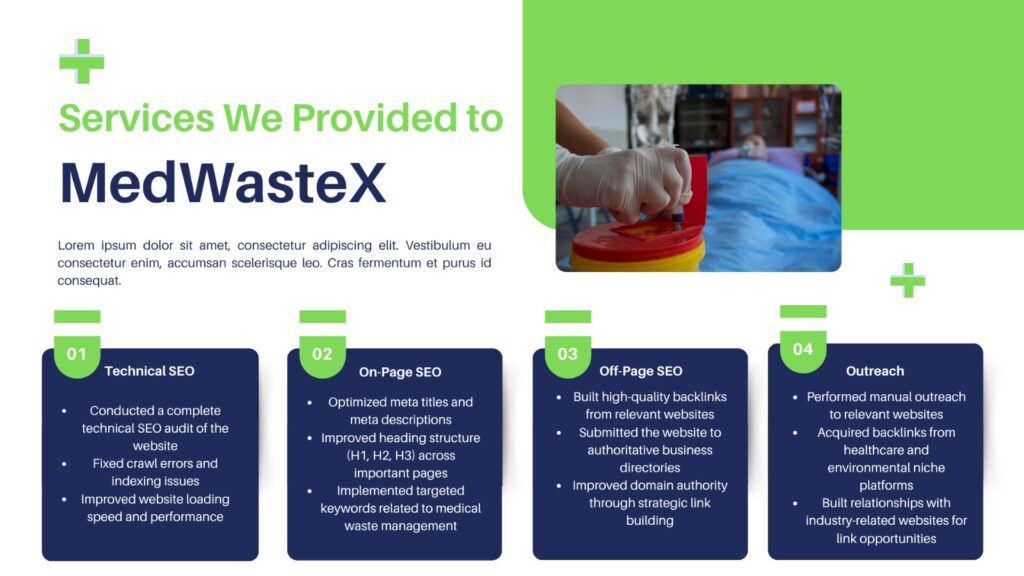
Challenge
A growing business wanted to improve its online visibility and generate more qualified leads through digital channels.
The website had:
- Limited organic traffic
- Low keyword visibility
- Inconsistent content publishing
- Poor engagement from online campaigns
Analysis
The digital marketing strategy started with:
- Website performance analysis
- Competitor research
- Keyword research
- Audience analysis
- Content evaluation
The goal was to identify opportunities for increasing visibility and improving customer acquisition.
Strategy Implemented
SEO Optimization
The website was optimized through:
- Improved content structure
- Keyword targeting
- Internal linking
- Technical SEO improvements
Content Strategy
A consistent content plan was created focusing on:
- Educational blogs
- Industry guides
- Customer-focused topics
Social Media Growth
Social media campaigns were improved through:
- Regular posting
- Audience engagement
- Educational content
Performance Tracking
Results were monitored using analytics tools to measure:
- Traffic growth
- Keyword improvements
- User engagement
- Lead generation
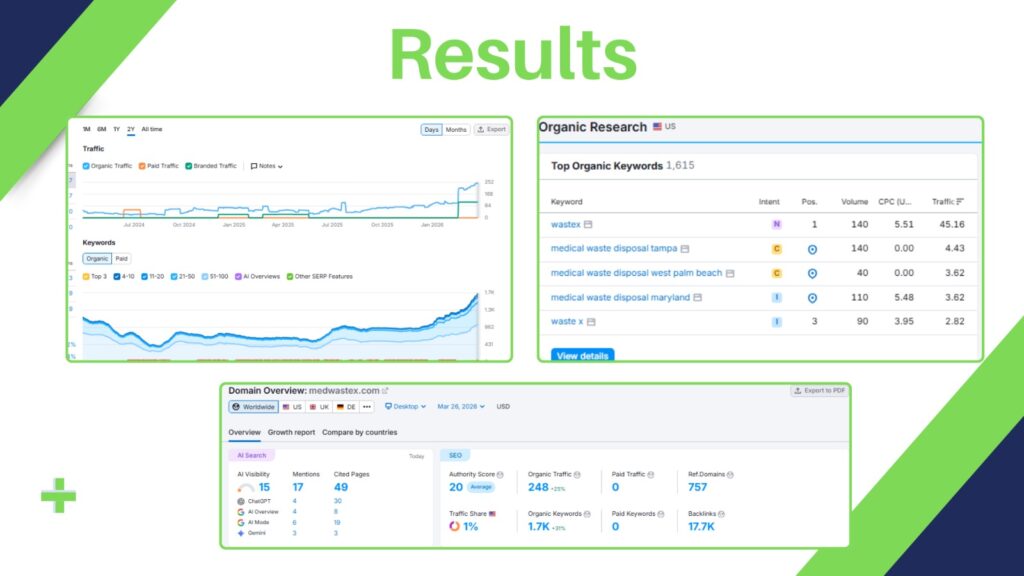
Results
After implementing a structured digital marketing plan:
- Website visibility improved
- More keywords started ranking
- Organic traffic increased
- Marketing decisions became more data-driven
Key Learning:
A successful digital marketing plan is not about using every channel. It is about selecting the right strategies, measuring performance, and continuously improving based on data.
Common Mistakes to Avoid in a Digital Marketing Plan
1. Not Defining Clear Goals
Without measurable goals, businesses cannot evaluate success.
2. Ignoring SEO
Many businesses focus only on paid advertising and ignore long-term organic growth.
3. Creating Content Without Strategy
Publishing random content without understanding audience needs reduces effectiveness.
4. Not Tracking Results
Without analytics, businesses cannot identify what works and what needs improvement.
5. Ignoring AI and New Marketing Trends
Businesses should adapt to changing technologies to stay competitive.
Frequently Asked Questions (FAQs)
What is a digital marketing plan?
A digital marketing plan is a strategy that defines how a business uses online channels like SEO, content marketing, social media, email marketing, and advertising to achieve business goals.
Why is a digital marketing plan important?
It helps businesses organize marketing activities, reach the right audience, manage budgets, and measure performance effectively.
How do I create a digital marketing plan?
Start by defining business goals, researching your audience, analyzing competitors, selecting marketing channels, creating content strategies, and tracking results.
How often should a digital marketing plan be updated?
A digital marketing plan should be reviewed regularly because customer behavior, technology, and market trends continue to change.
About the Author

Sumit Rana is an SEO expert and founder of NS Digi with 9+ years of experience in SEO, content marketing, and digital growth strategies.
He helps businesses improve their online visibility through technical SEO, keyword research, content optimization, competitor analysis, and performance-driven marketing strategies.
Through real SEO and digital marketing projects, Sumit focuses on creating sustainable growth strategies that help businesses increase organic visibility, attract qualified traffic, and build a stronger online presence.
Conclusion
A successful digital marketing plan is not just a collection of marketing activities; it is a complete roadmap that connects business goals with the right online strategies.
By combining SEO, content marketing, social media, email marketing, paid advertising, analytics, and AI-powered solutions, businesses can create a powerful online growth system.
The digital world continues to change, so businesses must regularly analyze performance, update strategies, and focus on delivering value to customers.
A well-planned digital marketing strategy helps businesses improve visibility, generate better leads, increase conversions, and build long-term success online.


Comments
May I simply say what a relief to find somebody who actually understands
what they are discussing on the internet. You actually realize how to bring a problem to light and make it important.
A lot more people need to read this and understand this side of your story.
I was surprised that you’re not more popular since you definitely have the gift.
Howdy! I’m at work browsing your blog from my new iphone 4!
Just wanted to say I love reading through your blog and look
forward to all your posts! Carry on the excellent work!